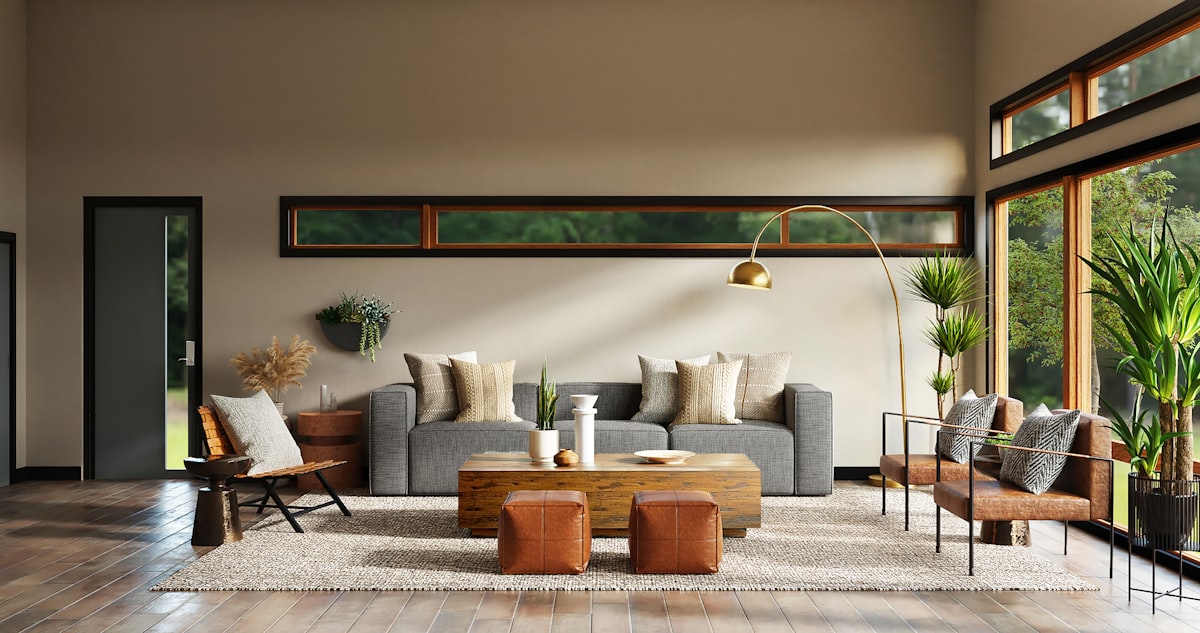
A child's bedroom is one of the most rewarding spaces to design and one of the trickiest to get right. The best kids room design ideas balance play, sleep, study and storage in a room that usually has to work for years as your child grows. In Indian homes, where a kids room often doubles as a guest space or study for the whole family, thoughtful planning matters even more. This guide walks you through practical, safe and budget-aware ideas for children's rooms in Faridabad, Delhi NCR and across India in 2026, so you can create a space that is playful today and still works five years from now.
Planning a Kids Room Layout
Before picking colours or themes, get the layout right. A good kids room is zoned into clear areas for sleeping, studying, playing and storing things, even if the room is small. Start by measuring the room, marking windows, the door swing and electrical points, then place the bed away from the direct line of the door and any harsh window glare.
Keep the centre of the room as open as possible. Children need floor space to play, build and move, so push furniture to the walls. Leave clear circulation paths so nothing becomes a tripping hazard during energetic play.
If two children share the room, plan for fairness from the start, with equal storage, symmetrical study zones and a bunk or twin arrangement that gives each child a sense of their own territory.
Age-Appropriate Design Zones
The single most useful principle for kids rooms is designing for the child's current age while leaving room to adapt. A room for a toddler has very different needs from one for a ten-year-old.
- Toddlers (1-4): Prioritise safety, soft flooring, low open storage they can reach, and minimal sharp edges.
- Young children (5-9): Introduce a proper study corner, themed decor and more organised toy storage.
- Pre-teens (10+): Shift toward a grown-up study zone, neutral base colours and space for hobbies and friends.
Choose a neutral, timeless base for walls and large furniture, then layer age-specific personality through bedding, wall decals and accessories that are cheap and easy to swap as tastes change.
Free toolInterior Design Cost EstimatorBudget range for home interiors — by BHK, rooms and finish level.Try it freeSmart Storage for Toys and Clothes
Storage makes or breaks a kids room. Children accumulate an astonishing volume of toys, books and clothes, and the room only stays tidy if there is an easy, obvious home for everything.
- Low open bins: Toddlers and young kids tidy up better when storage is at their height and does not need lids.
- Under-bed drawers: A brilliant use of dead space for bulky items and seasonal clothes.
- Modular wardrobes: Adjustable shelves and lower hanging rails let the wardrobe grow with your child.
- Bookcases and cubbies: Encourage reading and keep books visible and accessible.
Label bins with pictures for younger children so tidying becomes a game they can manage themselves.
Study and Activity Corners
As children start school, a dedicated study zone becomes essential. Even in a small room, a well-planned study table for the kids room helps build focus and separates work from play and sleep.
Place the study table near natural light, ideally with the window to the side rather than in front to reduce glare on screens and books. Pair it with an ergonomic, height-adjustable chair, since children spend long hours here and posture matters. Add a pin board or magnetic strip above the desk for timetables, artwork and reminders.
Keep the study surface clear of toys. A small drawer unit or overhead shelf for stationery and books keeps the desk usable and reduces distraction during homework.
Safe Materials and Finishes
Safety is non-negotiable in a room where children spend so much time. Every material choice should pass a simple test: is it safe to touch, safe to breathe around and safe to bump into.
- Low-VOC paints: Choose washable, low-odour emulsions that release fewer chemicals into the air.
- Rounded edges: Specify furniture with rounded corners or add corner guards on sharp edges.
- Anti-skid flooring: Matte, non-slip surfaces reduce falls during play.
- Secured furniture: Anchor tall wardrobes and shelves to the wall to prevent tipping.
Cover accessible plug points with safety covers and route all wires out of reach, especially in rooms for younger children.
Design a child's room for the child they are becoming, not just the one they are today. The best rooms adapt with a few easy swaps instead of a full renovation every few years.
Colour Themes and Wall Ideas
Colour brings a kids room to life, but it is easy to overdo. A calmer approach ages better and is kinder on both the eyes and the budget. Keep large surfaces relatively neutral or softly coloured, then add bold, playful colour through decor.
Wall decals, removable wallpaper and a single painted accent wall let you introduce a theme, whether space, jungle, sports or fairytale, without committing the whole room. These are inexpensive and easy to change as your child's interests shift. For shared rooms, a shared theme with individual name art keeps things cohesive yet personal.
Beds, Bunks and Space Saving
The bed is the largest object in the room, so its choice has an outsized effect on how the space works. In compact Indian bedrooms, clever bed choices free up valuable floor area.
- Bunk beds: Ideal for siblings sharing a room, doubling sleeping capacity without doubling floor use.
- Loft beds: Raise the bed and tuck a study desk or play area underneath.
- Trundle beds: A hidden second mattress that pulls out for sleepovers.
- Storage beds: Beds with built-in drawers absorb a large share of storage needs.
Whatever you choose, ensure guard rails on upper bunks and lofts and a sturdy, safe ladder that little feet can climb confidently.
Budget-Friendly Design Tips
A wonderful kids room does not require a huge budget. In fact, restraint often produces a better, more adaptable room. Invest in a few durable core pieces and save on the decorative extras.
Spend on a good bed, a solid modular wardrobe and an ergonomic study setup, since these get years of hard use. Then keep bedding, decals, curtains and accessories affordable and swappable. Repainting one accent wall or changing the bedding can refresh the whole room for a few thousand rupees rather than a full redo. In Delhi NCR, expect a well-planned kids room to range from around ₹80,000 for a simple refresh to ₹3 lakh or more for fully custom joinery and furniture.
If you would like a kids room that is safe, functional and beautifully tailored to your child and your space, our designers can help you plan every detail. book a free consultation with Panache Architect and let us design a room your child will love to grow up in.